
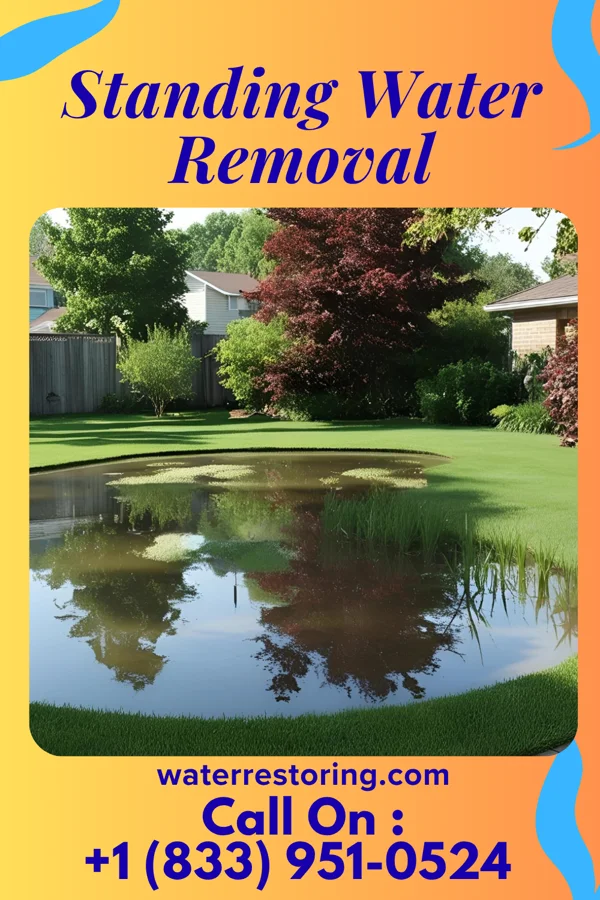
Why Winthrop Sees Standing Water Often
The pattern in Winthrop is consistent. In Winthrop, Washington, primary water damage often stems from heavy rainfall and river flooding, particularly during late spring and early summer when the Methow River swells. These events can lead to basement backups and sudden water intrusion in homes and businesses. drives most of the emergency restoration calls we get. A close second is Secondary causes include plumbing leaks from aging infrastructure, burst pipes during freeze-thaw cycles, and groundwater seepage through basements in rural areas. Additionally, heavy snowmelt in the Methow Valley can contribute to localized flooding..
Winthrop's location in the Methow Valley exposes it to frequent heavy precipitation and temperature fluctuations, increasing the risk of water damage. The region's rural character means fewer drainage systems, making prompt water removal critical to prevent long-term structural issues.
Winthrop's location in the Methow Valley exposes it to frequent heavy precipitation and temperature fluctuations, increasing the risk of water damage. The region's rural character means fewer drainage systems, making prompt water removal critical to prevent long-term structural issues. The dominant local driver is In Winthrop, Washington, primary water damage often stems from heavy rainfall and river flooding, particularly during late spring and early summer when the Methow River swells. These events can lead to basement backups and sudden water intrusion in homes and businesses., with Secondary causes include plumbing leaks from aging infrastructure, burst pipes during freeze-thaw cycles, and groundwater seepage through basements in rural areas. Additionally, heavy snowmelt in the Methow Valley can contribute to localized flooding. showing up as the next most common cause. Damage builds in stages. Spread. Absorption. Microbial growth. Structural compromise. Every stage you pass through adds to the final bill.